

Unite Lift Services Ltd
Joined Mar 2026
400 Trees planted


43.6 tonnes CO₂
Absorbed across trees’ lifetime

4 workdays
Created for local communities

2,668 m²
Land reforested
Sustainable Cities and Communities
Most supported UN SDG
Planting Locations

Madagascar
Restoring coastal habitats and protecting endangered species
Madagascar is a land of unparalleled biodiversity, boasting an array of endemic plants and animals found nowhere else on Earth. Lying off the southeastern coast of Africa, it is the world's fourth-largest island. Madagascar is a megadiverse country with a range of ecosystems home to approximately 12,000 species of vascular plants.
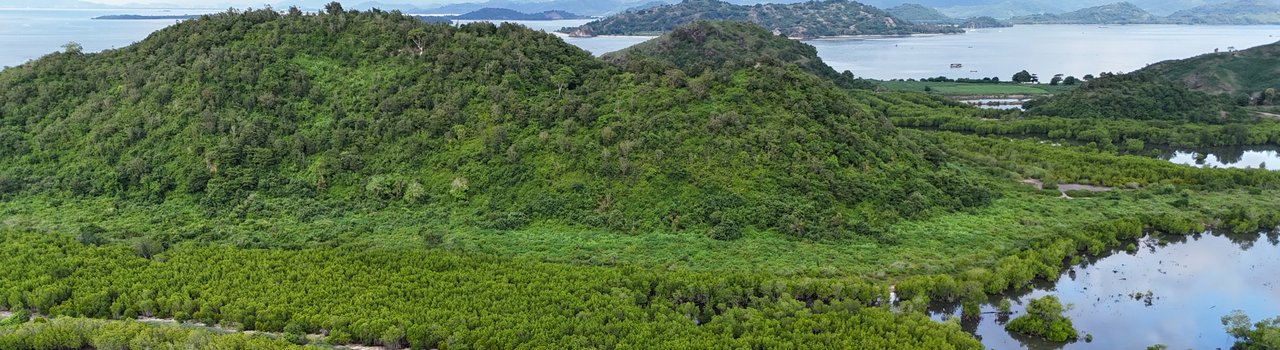
Over 80% of Madagascar's original forests have been lost, severely impacting ecosystems and endemic wildlife like lemurs and sifakas. Degradation of the mangrove ecosystem along the Mariarano Estuary has left coastal communities vulnerable to storms and cyclones. In Dabolava, the biggest threat to the survival of trees is bushfires, often exacerbated by ‘slash and burn” agriculture.
The planting season for forest species runs from December to May during the rainy season, while mangroves are planted from November to May. During community planting days, the team plants a blend of pioneer species and fast-growing (non-invasive) varieties to create shade, fostering an environment conducive to attracting diverse biodiversity, including insects, birds, and more. Secondly, this enhances soil fertility, thereby ensuring a higher survival rate for saplings of native species.
The establishment of 14 km of firewalls around the reforestation zones helps to reduce the risk of wildfires and improve habitat stability, while the planting of mangroves plays a vital role in restoring degraded coastal habitats, enhancing shoreline protection against storm surges and saltwater intrusion. These efforts also contribute to the conservation of threatened and endemic species, such as the mongoose, red ruffed lemurs, and the Crowned Sifaka. Beyond ecological gains, the project actively engages local communities, providing technical and financial support to promote sustainable livelihoods.


Planting seasons
November to May
December to May
Species supported
 Acacia Catechu
  Mangrove Tree
  Crowned Sifaka
 UN Sustainable Development GoalsSDG supported
Sustainable Cities and Communities  Climate Action
  Life Below Water
  Life on Land
 The real-world impact of tree planting
Fighting climate change
As it grows, each tree absorbs CO₂, a greenhouse gas that contributes to global warming.
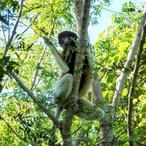
Restoring biodiversity
We plant native, non-invasive species that help restore natural ecosystems.
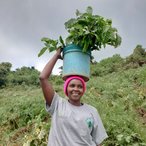
Creating local jobs
Tree planting provides employment opportunities and creates a sustainable source of income.
Share this page
Share link on social media/email:
Share link: