

Spanish Teacher Madrid
Joined Nov 2025
326 Trees planted


35.5 tonnes CO₂
Absorbed across trees’ lifetime

4 workdays
Created for local communities

2,174 m²
Land reforested
Decent Work and Economic Growth
Most supported UN SDG
Planting Locations
Americas

Brazil
Conserving and restoring threatened ecosystems
Brazil is one of the world’s most biodiverse countries, home to an extraordinary range of ecosystems and species found across its vast landscapes - from the Amazon Rainforest and the Atlantic Forest to extensive mangrove systems along its coastline. Accounting for nearly 15–20% of the planet’s known biodiversity, Brazil plays a pivotal role in global conservation efforts.
Centuries of deforestation, urban expansion, and agricultural development have taken a toll on its ecosystems. The Atlantic Forest, once stretching across 14 states, has been reduced to just 12.5% of its original extent, much of it degraded and fragmented. In Maranhão, along the southern fringe of the Amazon, mangrove forests face increasing pressure from illegal logging, overfishing, pollution, and habitat conversion, leading the WWF to classify the ecoregion as “Vulnerable.”
The planting season for mangroves runs from December to June, while forest species are sown between May and July. In the Atlantic Forest, a “Muvuca” direct-sowing method is used, ensuring natural regeneration without the need for replanting. Along the coast of Tutóia, mangrove propagules are planted directly into the substrate within the world’s largest continuous mangrove belt. This landscape is sustained by Quilombola fishing communities who preserve their traditional way of life and hold recognised land rights.
Reforestation efforts focus on restoring degraded forests to expand wildlife habitats, improve water regulation and soil fertility, and strengthen ecosystem resilience. Coastal restoration, through mangrove planting, helps protect communities from erosion, storms, and surges, while enhancing fisheries and supporting a wide range of marine and bird life.
Mangroves also play a key role in climate change mitigation, storing up to 1,000 metric tons of carbon per hectare in their roots and surrounding soils. Beyond ecological restoration, these projects foster sustainable livelihoods, reduce reliance on the timber trade, and promote conservation-based employment. Enhanced site monitoring has helped reduce illegal logging, while the restored ecosystems continue to support biodiversity, culture, and community wellbeing.


Planting seasons
May to July
December to June
Species supported
 Fisheries
  Mangrove
  Strawberry Guava
 UN Sustainable Development GoalsSDG supported
 Gender Equality Decent Work and Economic Growth
  Climate Action
  Life on Land
 The real-world impact of tree planting
Fighting climate change
As it grows, each tree absorbs CO₂, a greenhouse gas that contributes to global warming.
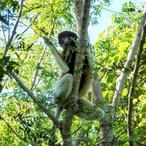
Restoring biodiversity
We plant native, non-invasive species that help restore natural ecosystems.
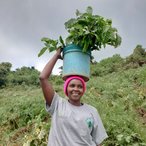
Creating local jobs
Tree planting provides employment opportunities and creates a sustainable source of income.
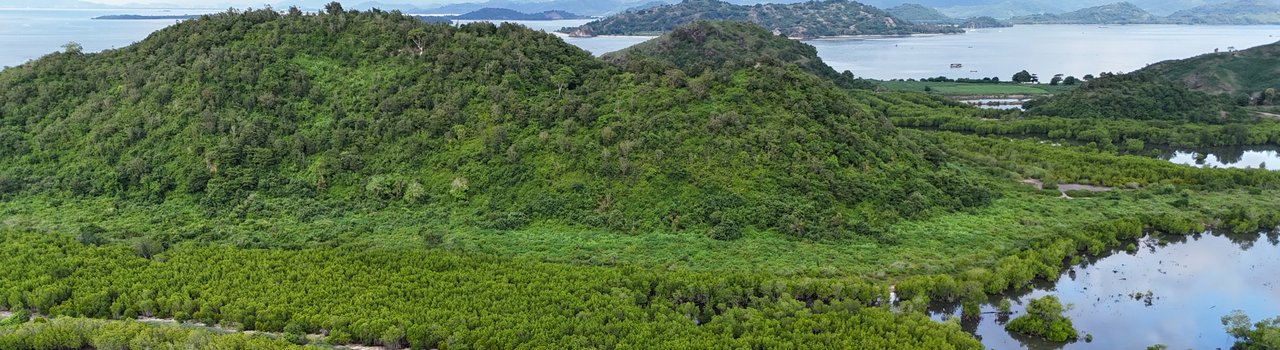
Share this page
Share link on social media/email:
Share link: