

Moresand
Joined Jan 2026
2,412 Trees planted


262.9 tonnes CO₂
Absorbed across trees’ lifetime

25 workdays
Created for local communities

16,088 m²
Land reforested
Zero Hunger
Most supported UN SDG
Planting Locations

Tanzania
Supporting local farmers through mountainous reforestation
Tanzania is among the twelve most megadiverse nations globally, boasting a variety of natural ecosystems rich in biodiversity. The country is home to 6 of the 25 globally recognised biodiversity hotspots, containing over one-third of the continent's plant species and around 20% of Africa's large mammal population. This abundant biodiversity plays a crucial role in providing socio-cultural, economic, and environmental benefits, significantly enhancing the livelihoods of its people.
Tanzania’s forests are facing numerous, interlinked threats, resulting in the country having one of the highest deforestation rates in the world. As the country continues to urbanise, there is a greater stress upon its natural resources, as wood is unsustainably harvested and more land is cleared for agricultural activity. Furthermore, environmental stressors such as water pollution and drought are set to further contribute to forest cover in Tanzania. In the region we undertake our planting, in the Western Usambara mountains, an estimated 85% of forest cover has been lost since the 1970s.
We plant 35 different types of tree species in our sites across Tanzania, providing a mix of species for both agroforestry purposes and restoring local landscapes. The adoption of agroforestry in Tanzania increases yields of the crops, while also maintaining biodiversity and preventing associated monocultures which can decrease resilience to disease. We also plant native species such as markhamia lutea, which are planted along the mountainside to stabilise soil and prevent landslides.
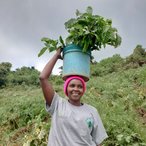
We also work to ensure that tree planting is done by locals, for locals. We have worked with community members from over 200 villages in the Lushoto district to provide employment opportunities. There is a particular focus on female employment and providing equal opportunities to support reforestation efforts in their country.


Planting seasons
July to October
Species supported
 Ficus Sur
  Jacaranda
  Markhamia Lutea
 UN Sustainable Development GoalsSDG supported
Zero Hunger  Gender Equality
  Climate Action
  Life on Land
 The real-world impact of tree planting
Fighting climate change
As it grows, each tree absorbs CO₂, a greenhouse gas that contributes to global warming.
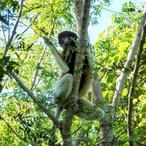
Restoring biodiversity
We plant native, non-invasive species that help restore natural ecosystems.
Creating local jobs
Tree planting provides employment opportunities and creates a sustainable source of income.
Share this page
Share link on social media/email:
Share link: