

Lighthouse Green Fuels
Joined Sept 2024
1,000 Trees planted


109 tonnes CO2
Absorbed across trees’ lifetime

10 workdays
Created for local communities

6,670 m²
Land reforested
Climate Action
Most supported UN SDG
Planting Locations
Africa
Americas
Asia

Burundi
Rehabilitating species-rich lowland forests
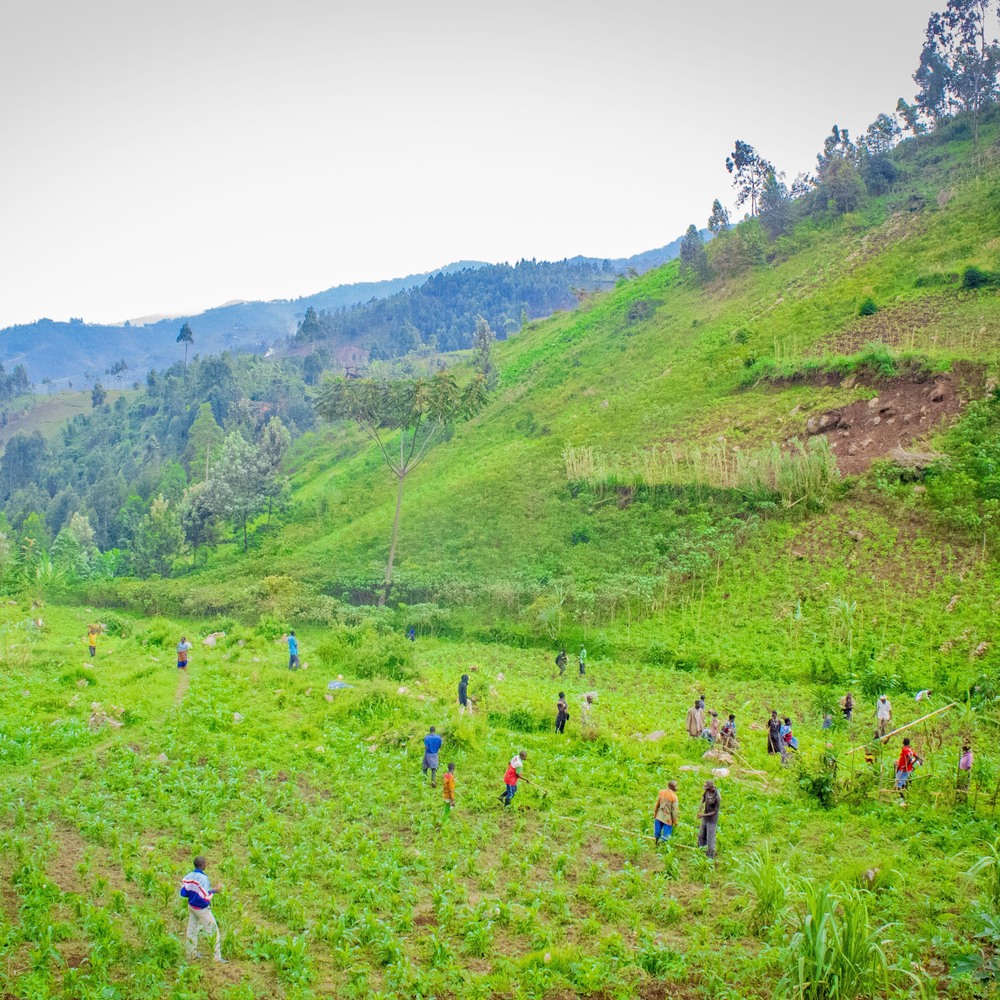
Burundi is a landlocked country in Africa. A country previously rich in forest, it has lost significant amounts of tree cover as a result of conflict in the country. Burundi’s ecosystems cover a total area of 27,834km2, and encompass over 4,500 different types of species. Despite its small size, Burundi is characterised by its plentiful biodiversity, including nearly 600 species of bird, over 200 species of mammal, and numerous endangered plant species, found in the Albertine Rift Montane Forests.
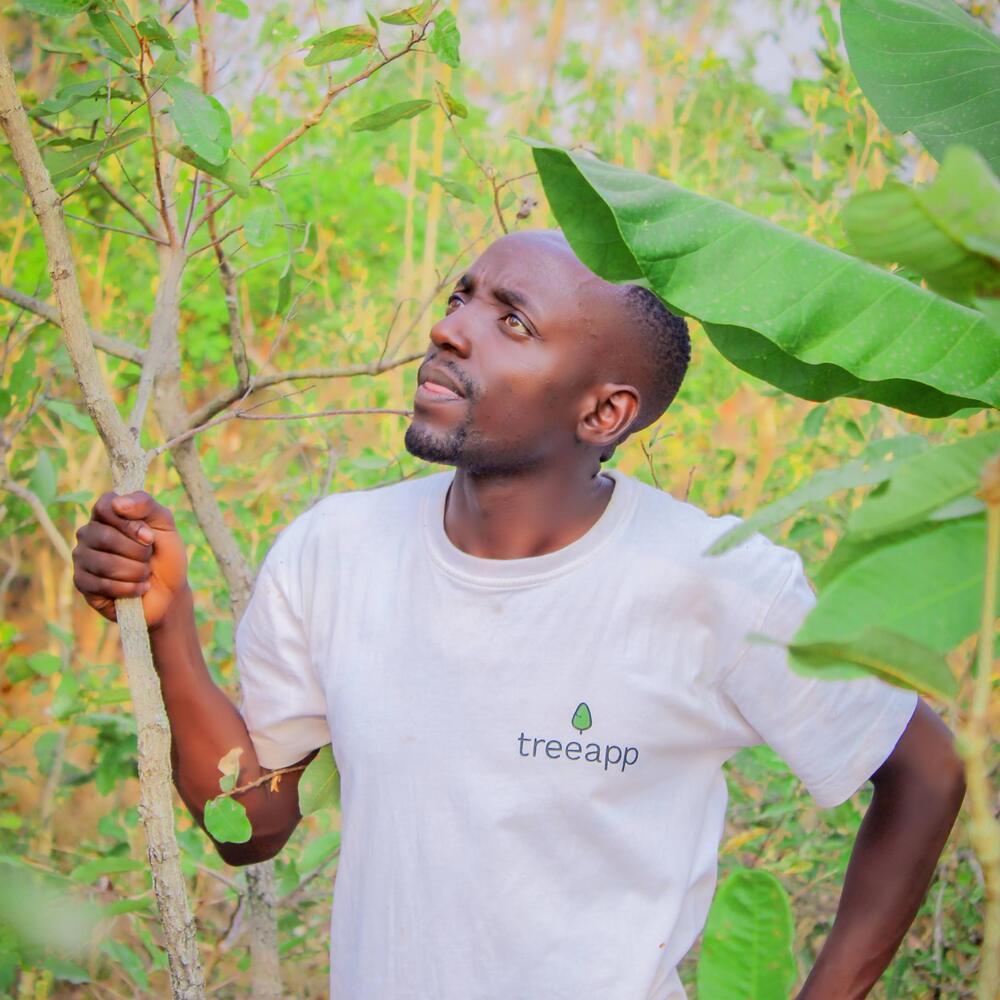
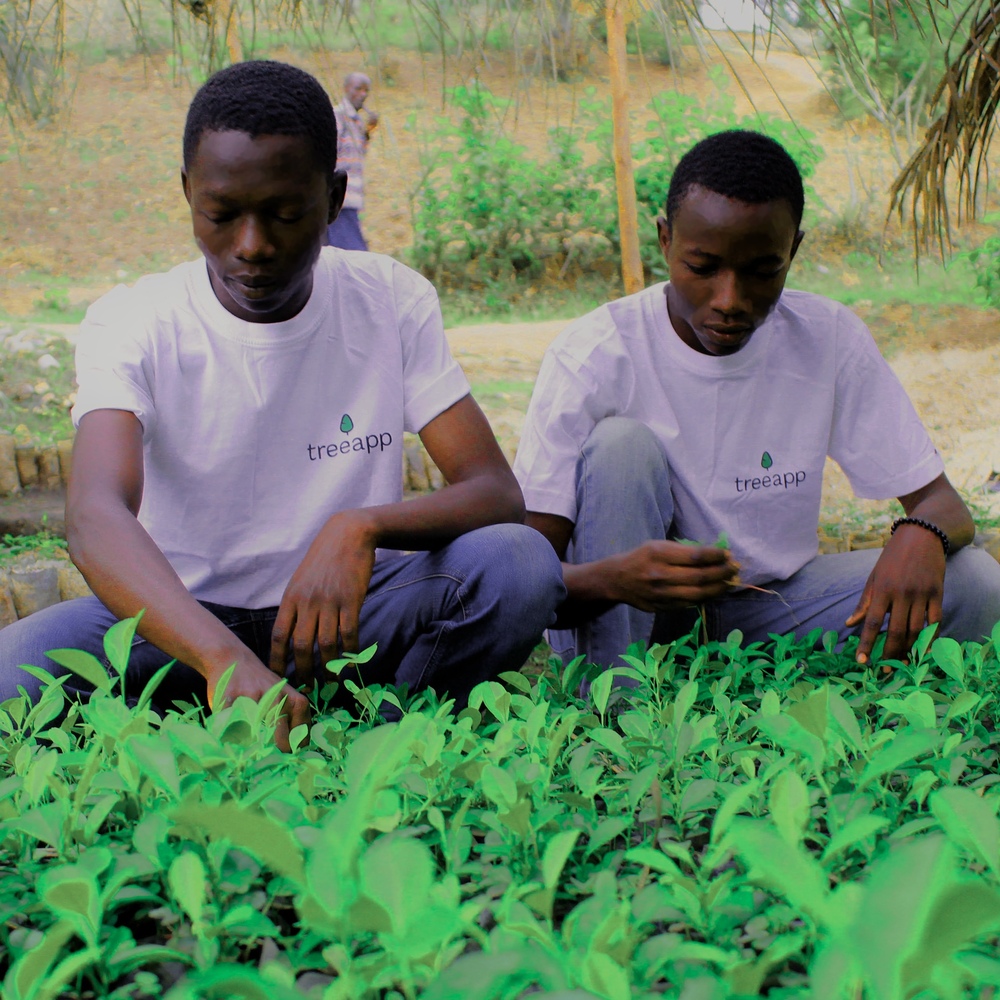
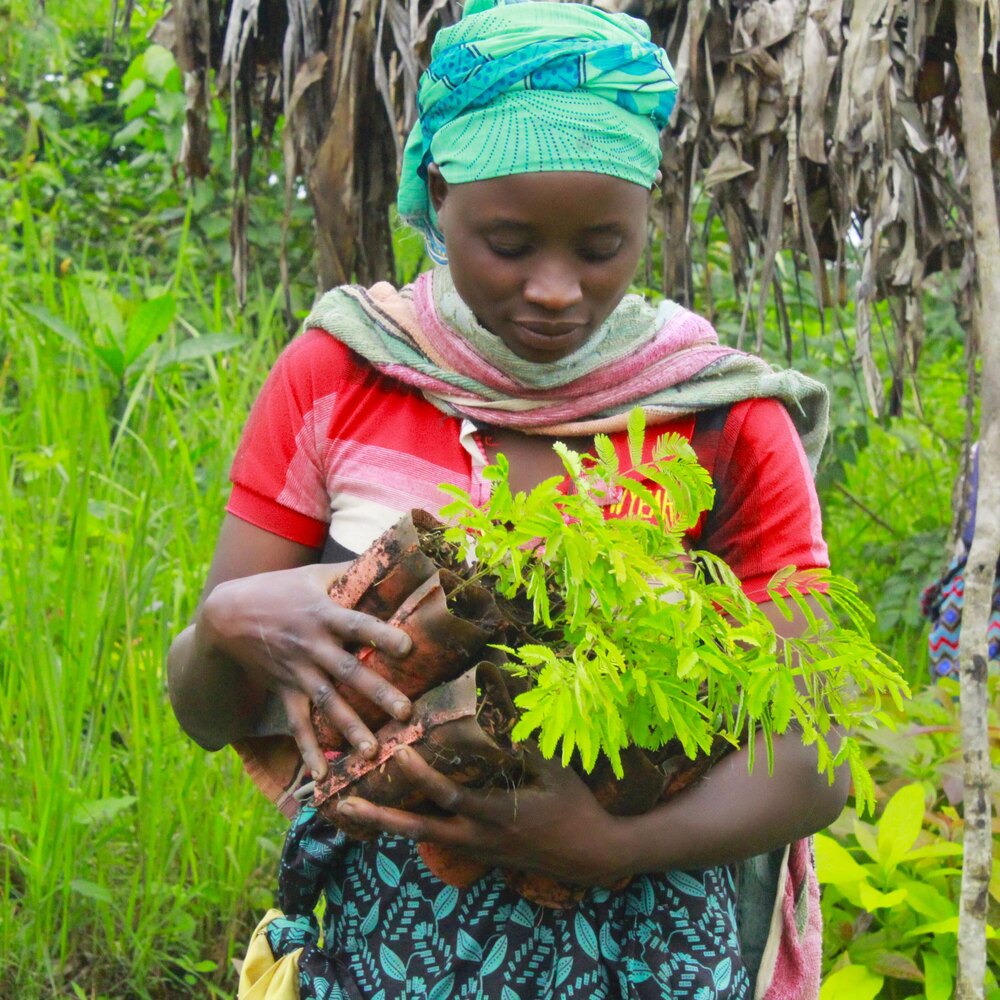
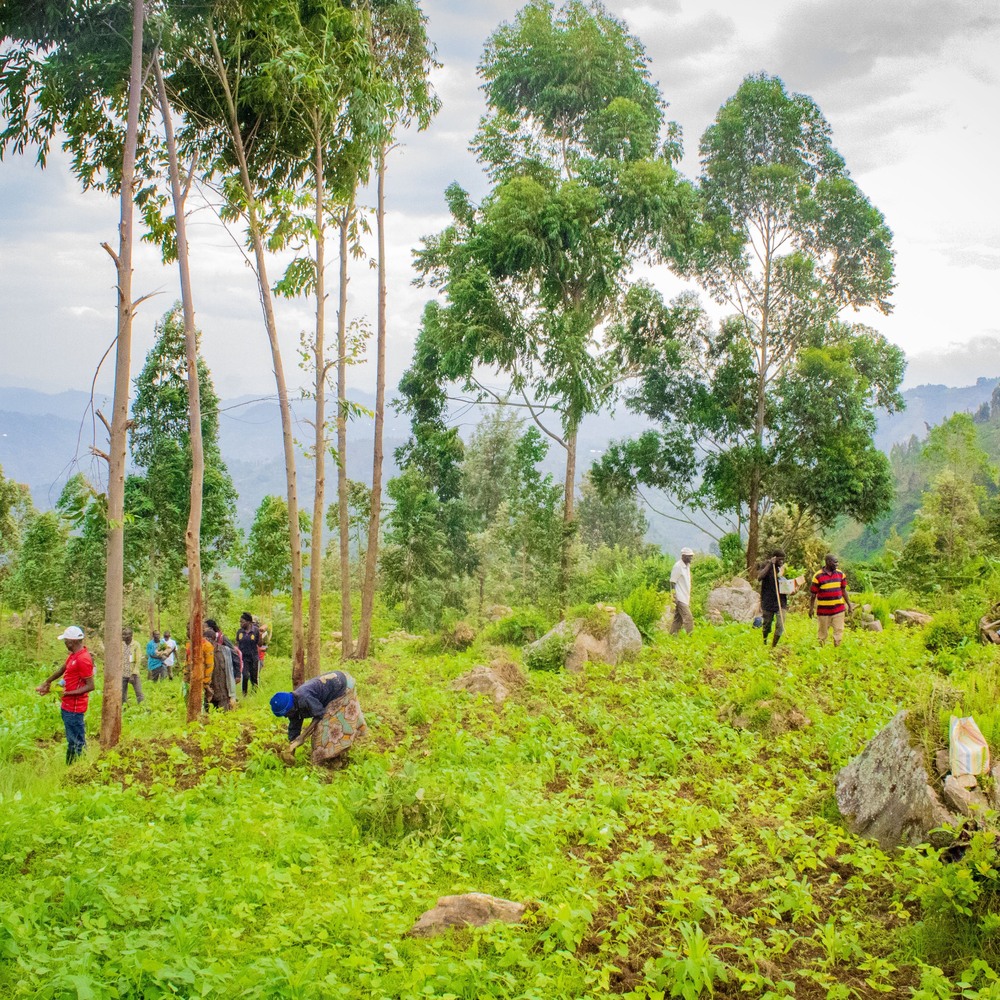
This reforestation project will support planting across two sites in Burundi, split between Gatebe and Kavuruga in the Bujumbura region. Our planting is part of a landscape restoration initiative, while also using agroforestry trees to support local communities. Some of the species mix includes Grevillea, Markhamia lutea, Cedrela, avocado, Calliandra and neem, selected for their suitability to local agro-ecological conditions, biodiversity value and usefulness to smallholder farming systems.
Beyond tree planting, the project aims to generate practical livelihood and ecosystem benefits for local communities. It is expected to support jobs both in the tree nursery and in planting, with a focus on women and young people, while also supporting longer-term household income through productive fruit trees. The agroforestry model should help improve food security, reduce reliance on synthetic fertilisers, provide livestock fodder, and strengthen resilience to soil degradation and erratic rainfall. Ecologically, the project will help restore degraded land, improve soil health, support pollinators and birds, and create more connected habitat within a landscape affected by deforestation and biodiversity decline.
Planting seasons
November to March
Species supported
 Bamboo
  Grevellea
  Pine
Pine UN Sustainable Development GoalsSDG supported
 Quality Education
  Responsible Consumption and Production Climate Action
  Life on Land
 The real-world impact of tree planting
Fighting climate change
As it grows, each tree absorbs CO2, a greenhouse gas that contributes to global warming.
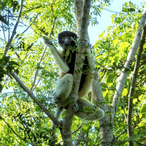
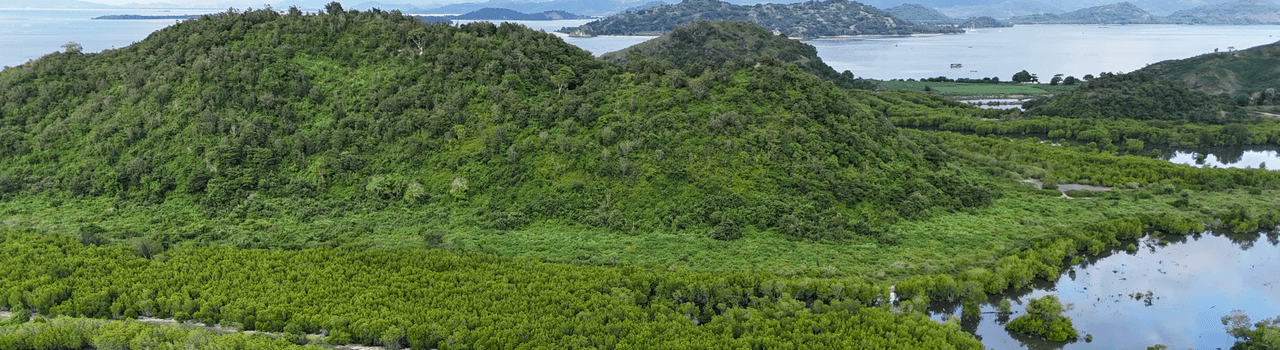
Restoring biodiversity
We plant native, non-invasive species that help restore natural ecosystems.
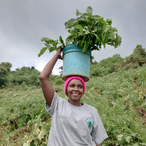
Creating local jobs
Tree planting provides employment opportunities and creates a sustainable source of income.
Share this page
Share link on social media/email:
Share link: