

Birchall Foodservice
Joined Sept 2026
734 Trees planted


80 tonnes CO₂
Absorbed across trees’ lifetime

8 workdays
Created for local communities

4,896 m²
Land reforested
Climate Action
Most supported UN SDG
Planting Locations

United Kingdom, Yorkshire
Creating a woodland in the Yorkshire hills
This project is taking place at a beautiful site in Yorkshire, a landscape already alive with wildlife including deer, hares, badgers, and a wide variety of birds. Yorkshire has below-average woodland cover at around 10% (compared to the UK average of 12%), making new planting here especially valuable for restoring habitats and improving ecological connectivity.
To enhance and protect this setting, we are creating a shelterbelt forest alongside a new hedgerow, both planted with a diverse mix of native species. The shelterbelt will play a vital role in this exposed, windy landscape, reducing wind speed, stabilising soils, and creating sheltered microclimates where plants and animals can thrive. Species such as oak, hornbeam, and hazel will provide long-term ecological value: oak supports hundreds of associated insects and fungi, hornbeam offers dense cover and seeds for birds and small mammals, and hazel produces nuts that are a key seasonal food for species like jays and dormice. Together, these trees will form a multi-layered woodland edge that is both resilient and biodiverse.
The hedgerow will further enrich the site by acting as a wildlife corridor, linking habitats and allowing safe passage for animals across the landscape. Flowering and fruiting shrubs will attract pollinators in spring and summer, while berries and nuts provide food for birds and mammals through the colder months.
Over time, this combination of shelterbelt and hedgerow planting will create a resilient, connected habitat that strengthens the site’s role as a haven for Yorkshire’s wildlife, while also improving soil health, carbon storage, and the overall resilience of the local environment.


Planting seasons
November to April
Species supported
 Crab Apple
  English Oak
  Hawthorn
 UN Sustainable Development GoalsSDG supported
Climate Action  Life on Land
 The real-world impact of tree planting
Fighting climate change
As it grows, each tree absorbs CO₂, a greenhouse gas that contributes to global warming.
Restoring biodiversity
We plant native, non-invasive species that help restore natural ecosystems.
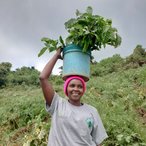
Creating local jobs
Tree planting provides employment opportunities and creates a sustainable source of income.
Share this page
Share link on social media/email:
Share link: