

Iron and Wood Limited
Joined Jun 2025
304 Trees planted


33.1 tonnes CO₂
Absorbed across trees’ lifetime

4 workdays
Created for local communities

2,028 m²
Land reforested
Sustainable Cities and Communities
Most supported UN SDG
Planting Locations

United Kingdom, North Wales
Planting shelterbelts in North Wales
North Wales is characterised by a mix of upland farmland, valleys, and coastal areas, where intensive sheep grazing has historically reduced tree cover and fragmented habitats. Restoring trees and hedgerows helps rebuild ecological networks, providing shelter and food for birds, small mammals, and invertebrates, while also stabilising soil and reducing wind exposure for agricultural and recreational areas.
Expanding native woodland and shelterbelt planting contributes to biodiversity recovery, landscape resilience, and climate adaptation across Wales. By combining practical land management benefits with ecological enhancement, this project supports both wildlife and human communities, demonstrating how reforestation and habitat restoration can serve multiple environmental and social objectives.
As well as revitalising degraded farmland formerly used for sheep grazing, and supporting a range of flora and fauna through hedgerow planting, shelterbelt-style planting on this site will provide wind protection for an eco-campsite.


Planting seasons
November to April
Species supported
 English Oak
  Hawthorn
  Aspen
Aspen UN Sustainable Development GoalsSDG supported
Sustainable Cities and Communities  Climate Action
  Life on Land
 The real-world impact of tree planting
Fighting climate change
As it grows, each tree absorbs CO₂, a greenhouse gas that contributes to global warming.
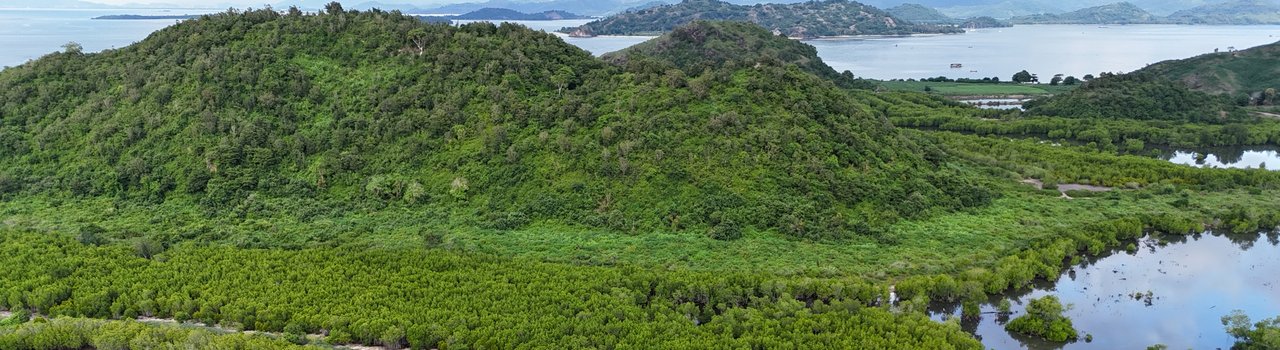
Restoring biodiversity
We plant native, non-invasive species that help restore natural ecosystems.
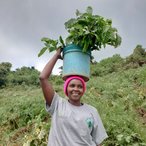
Creating local jobs
Tree planting provides employment opportunities and creates a sustainable source of income.
Share this page
Share link on social media/email:
Share link: